A decade in the making,
our new Permanent Exhibit opened in July of 2024.

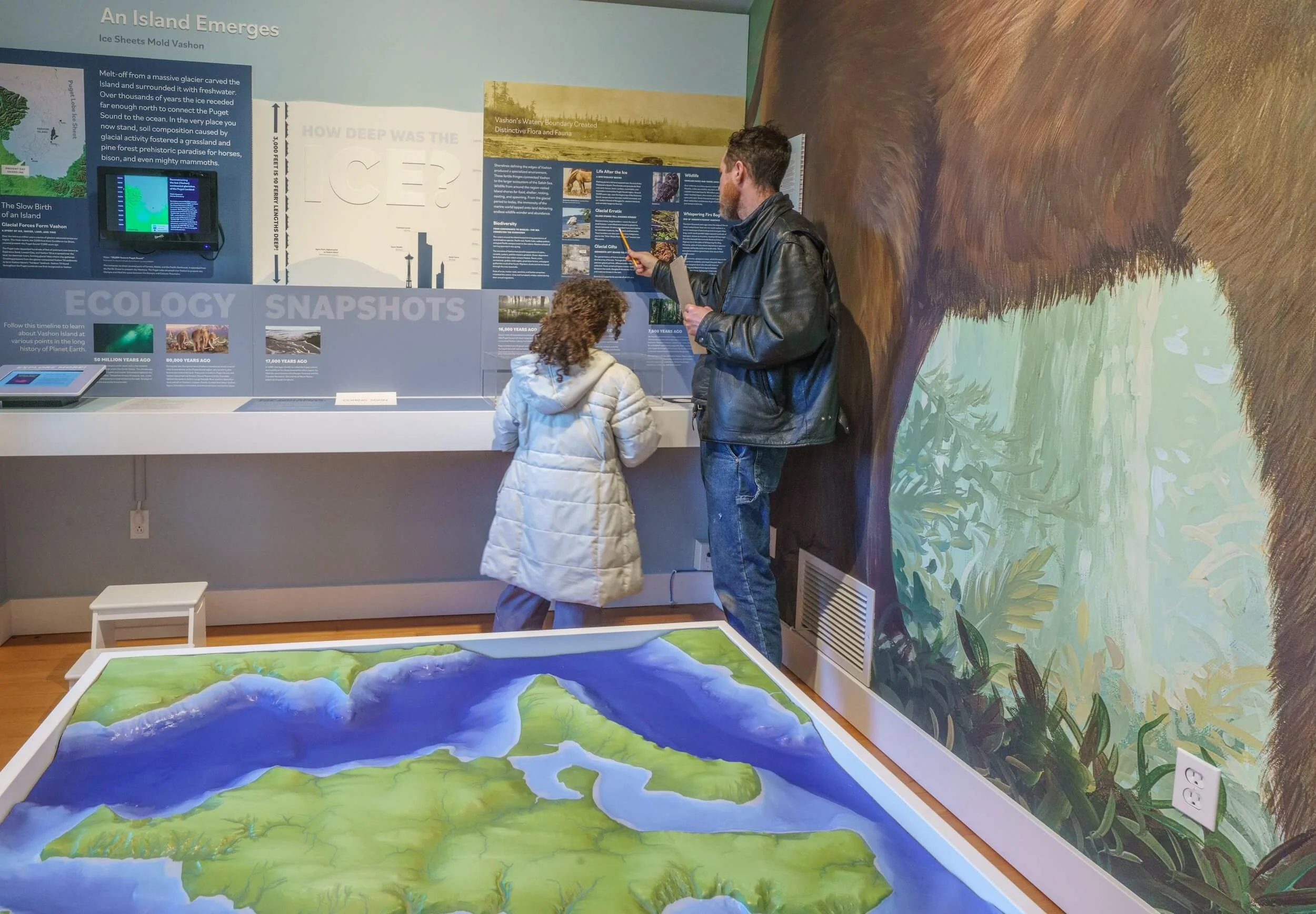
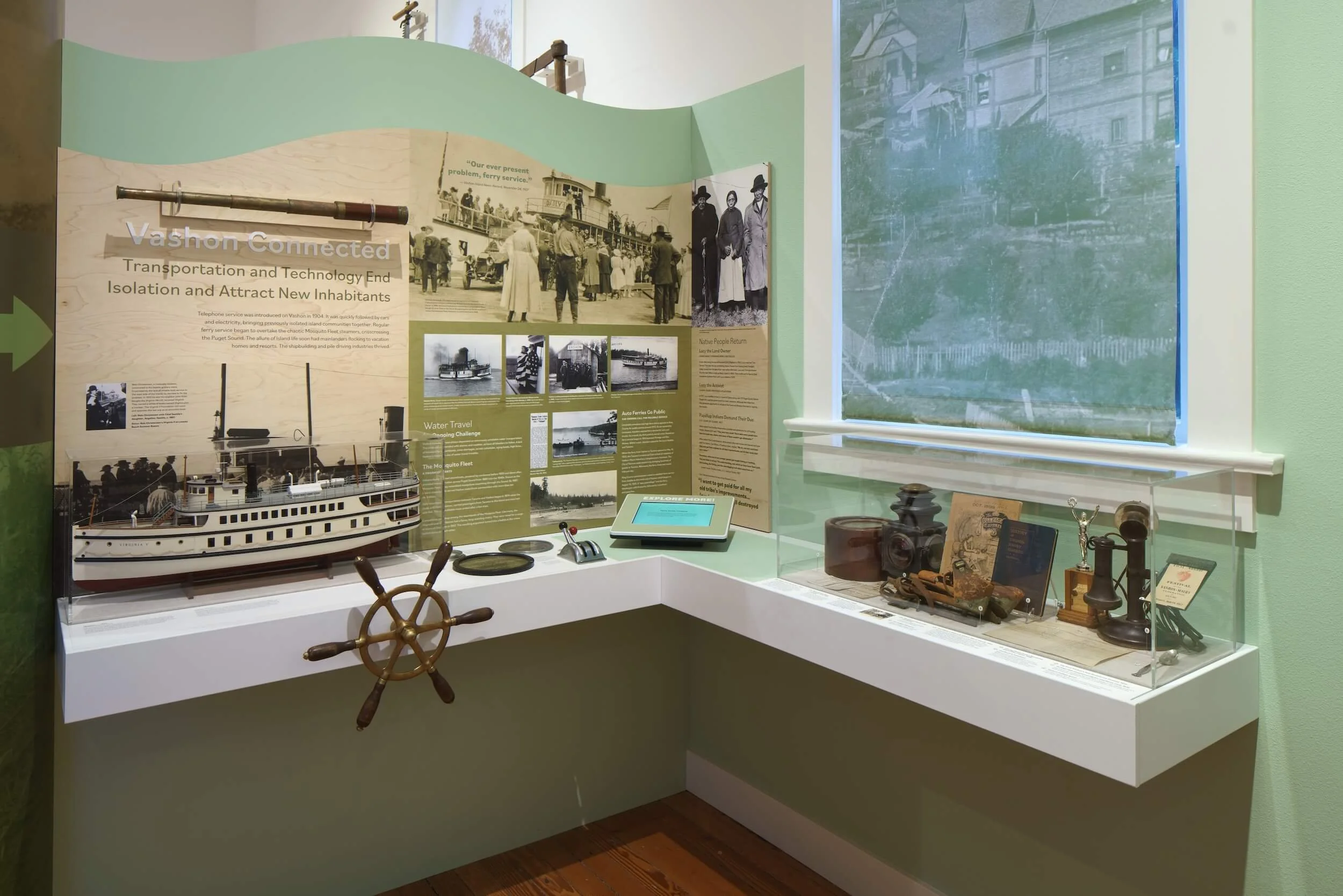
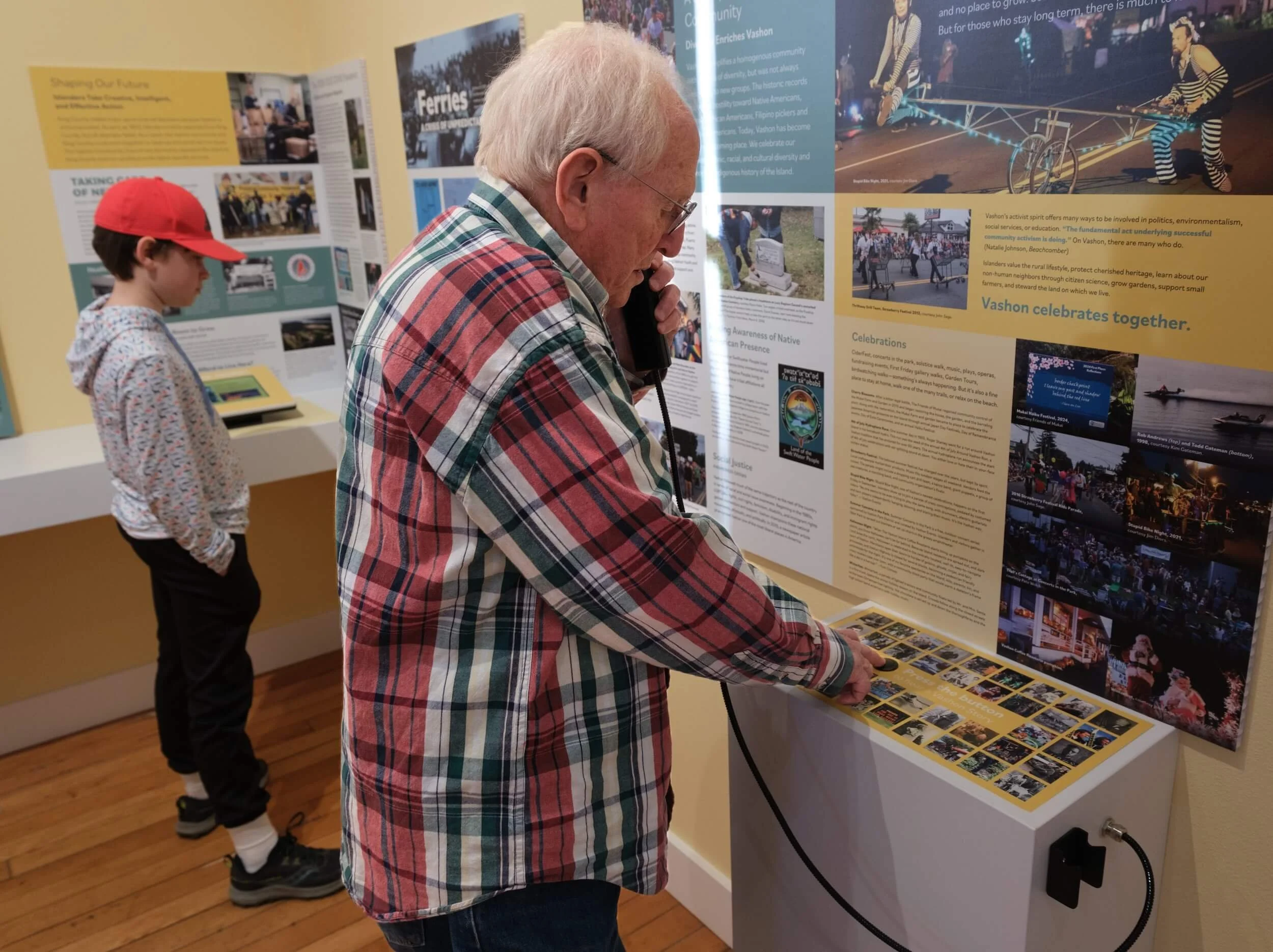
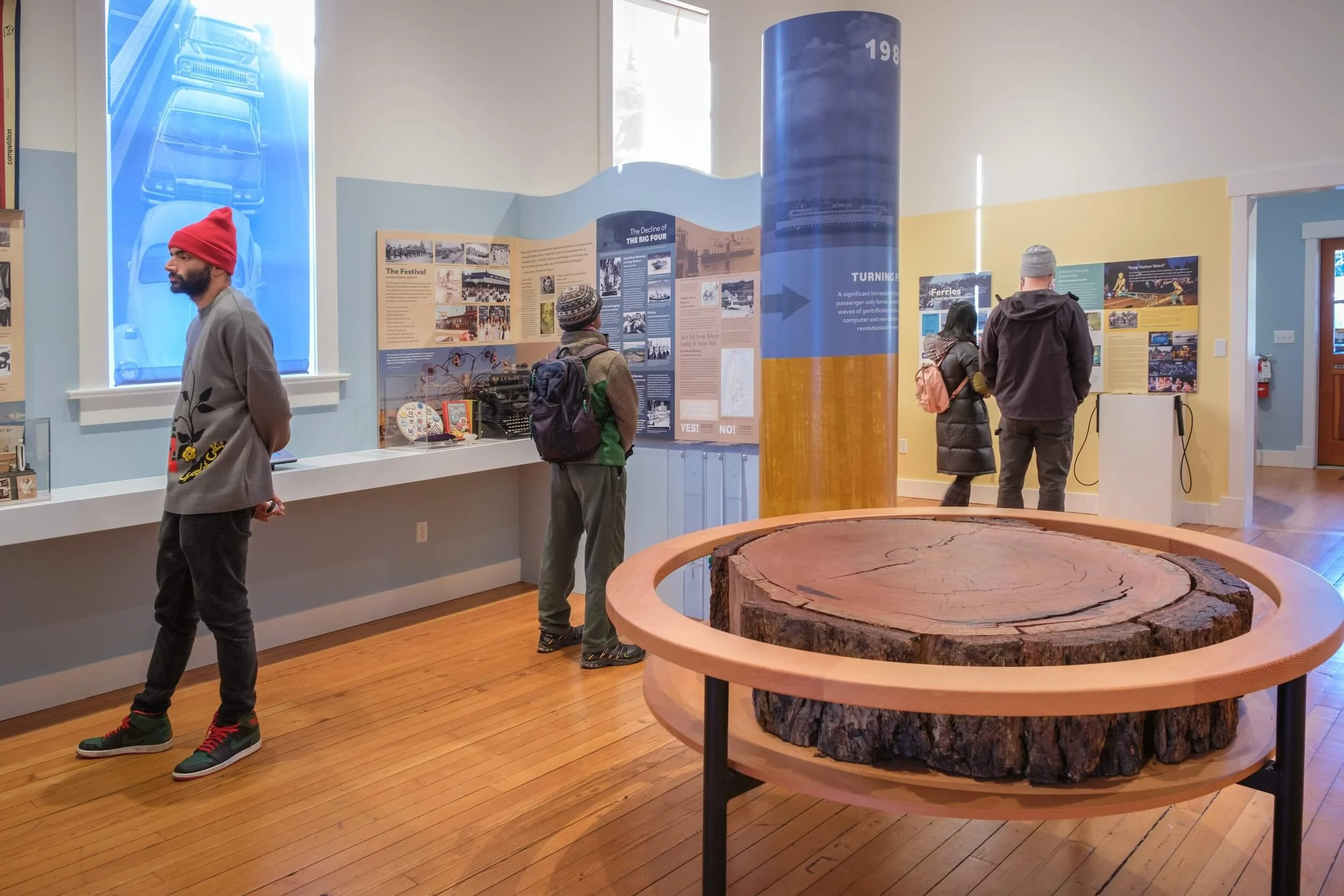
Years of Planning Come to Fruition
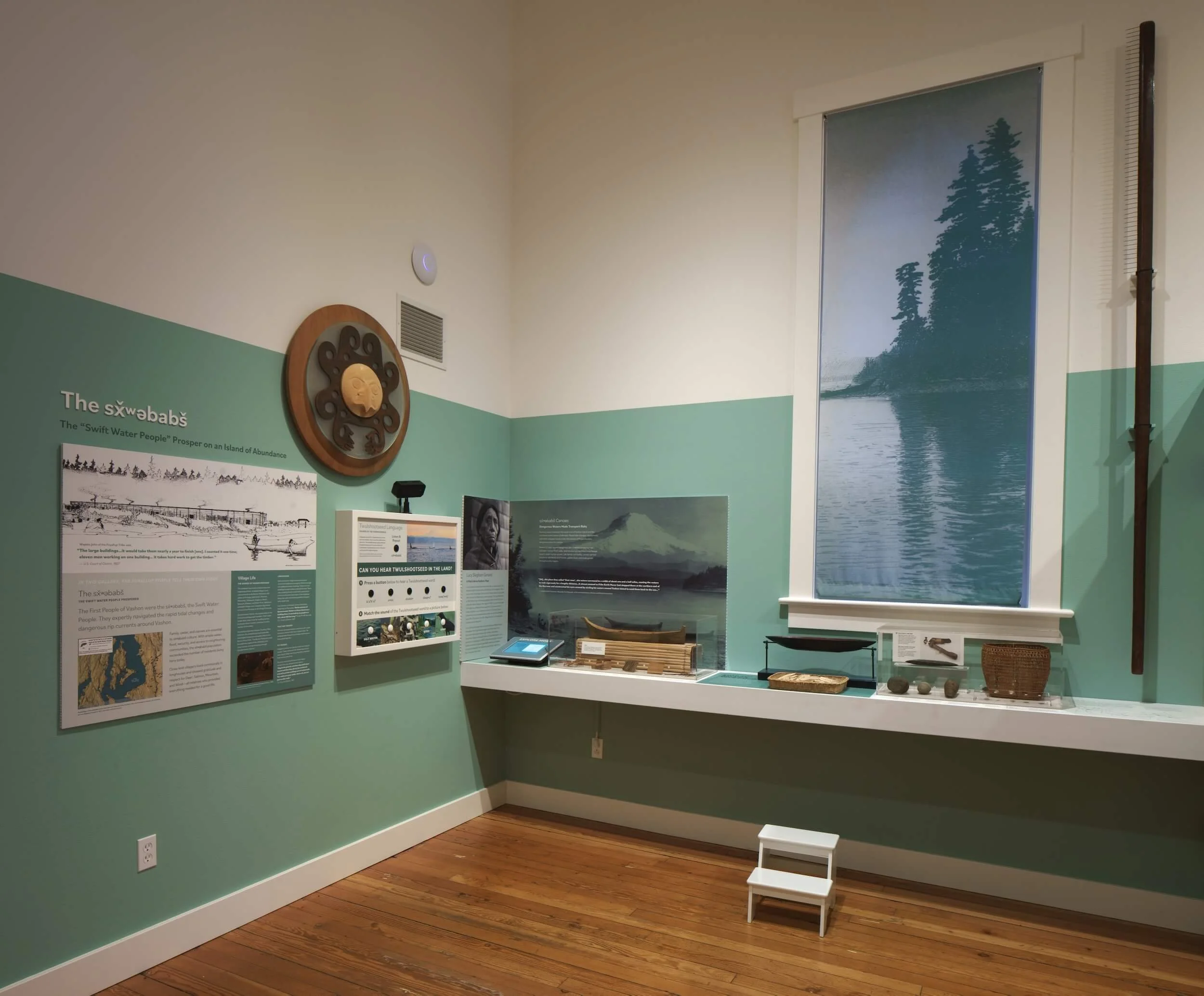
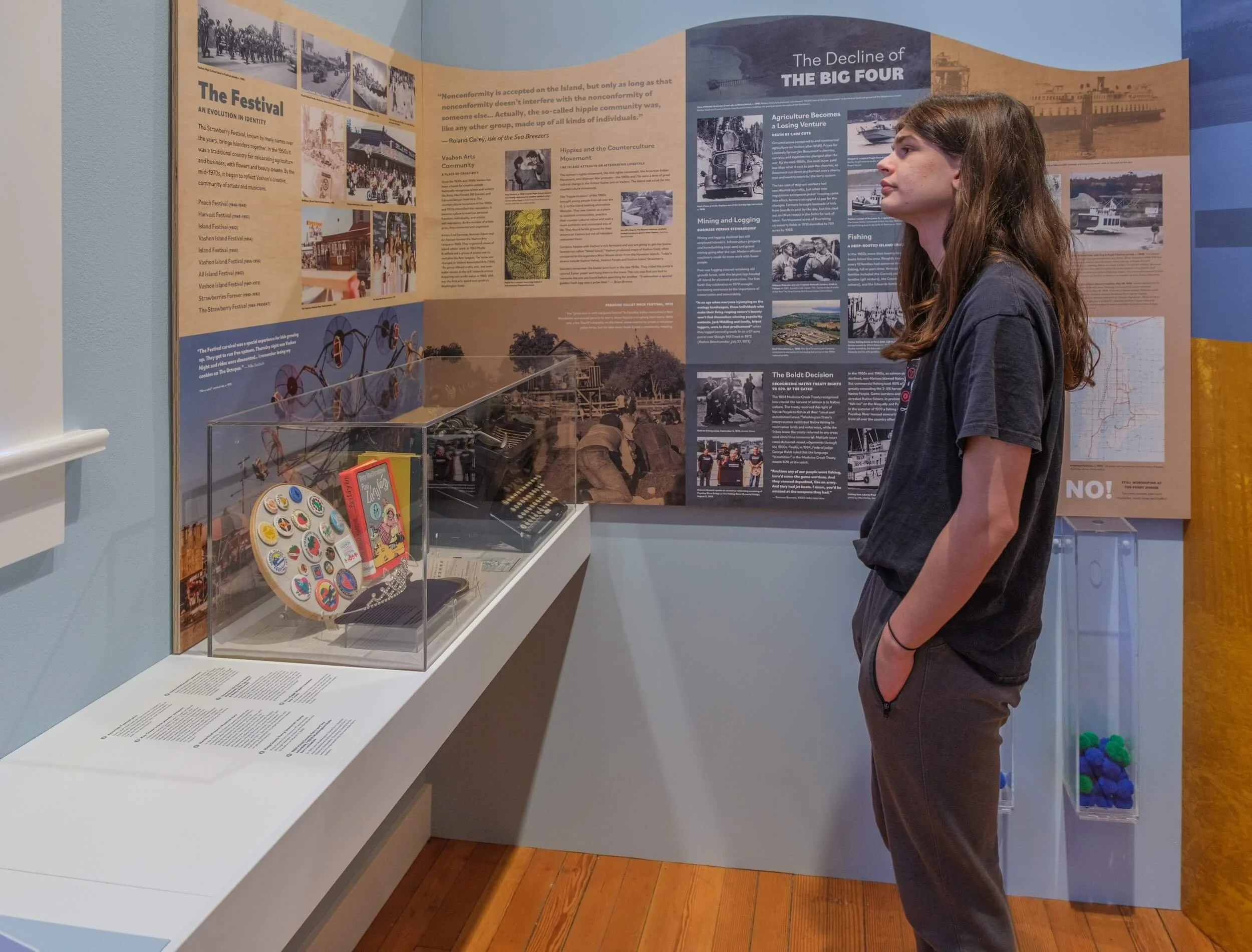
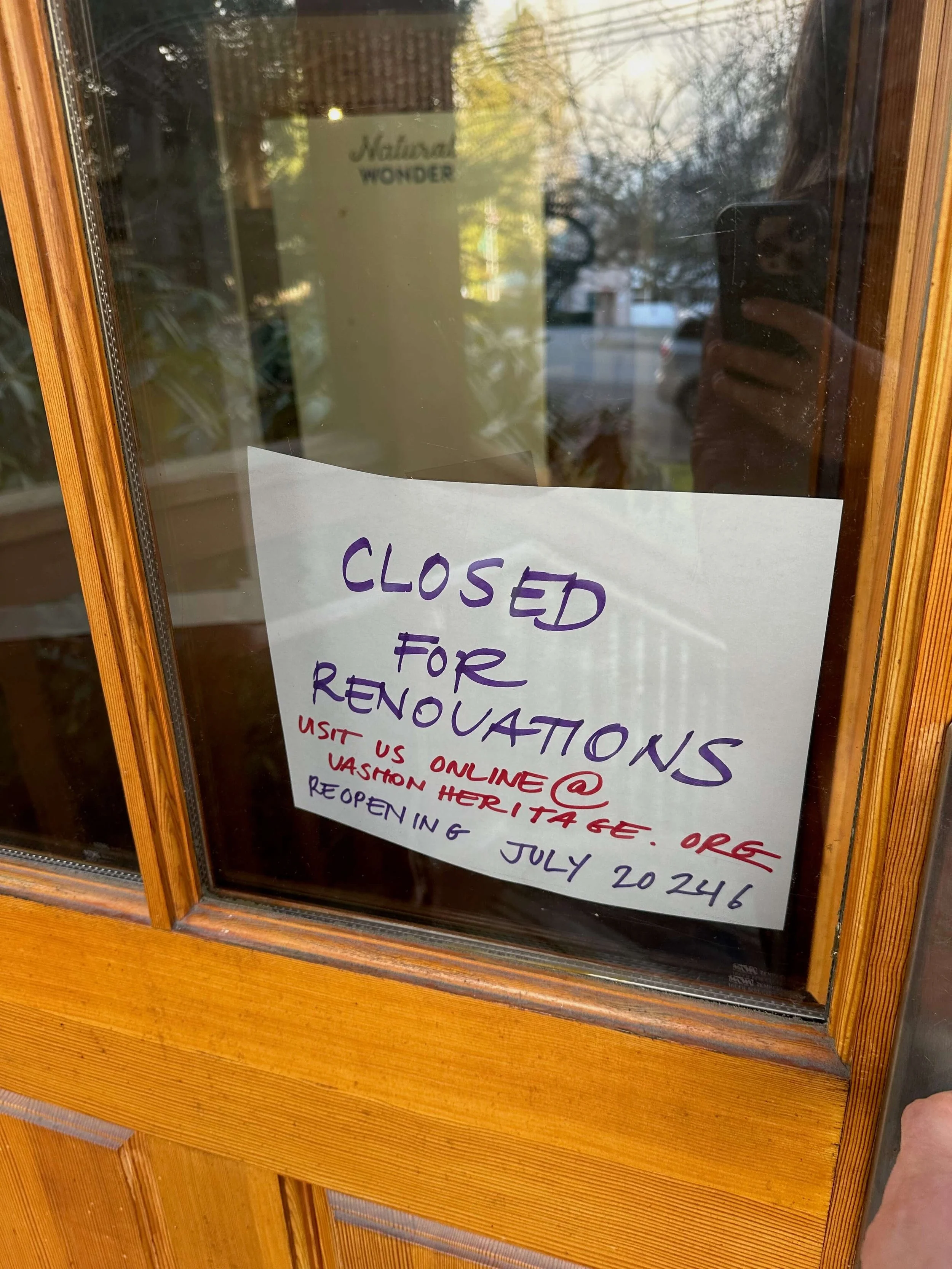
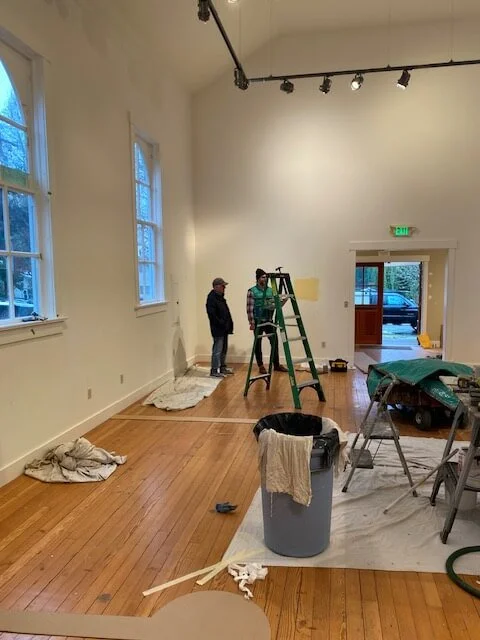
Thanks to local donors and a substantial grant from the National Endowment for the Humanities in 2021 we were able to put years of planning into action: in January 2024 we closed the museum for six months and undertook a complete renovation of the space and the creation of an entirely new exhibit.
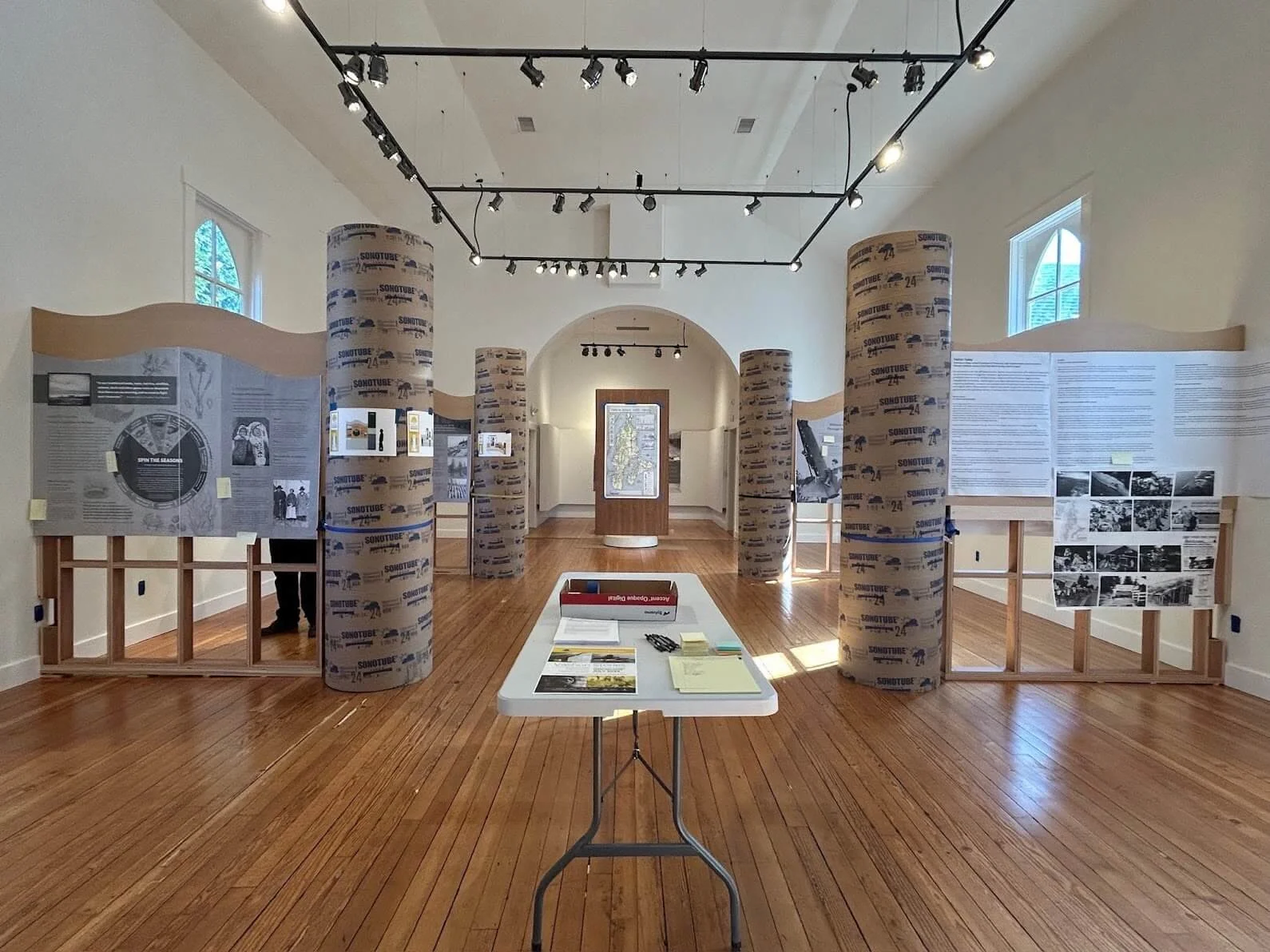
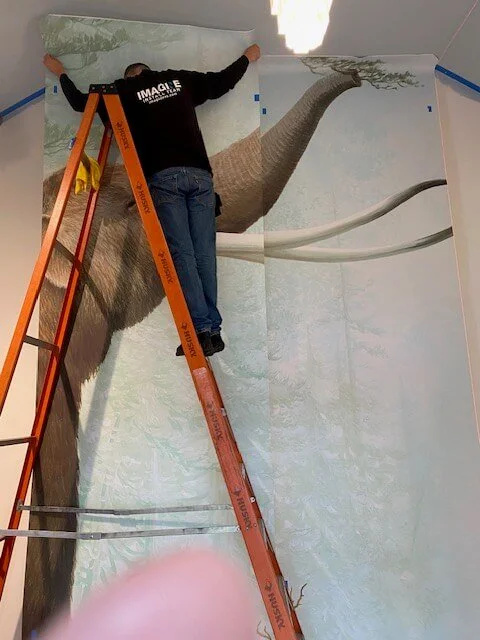
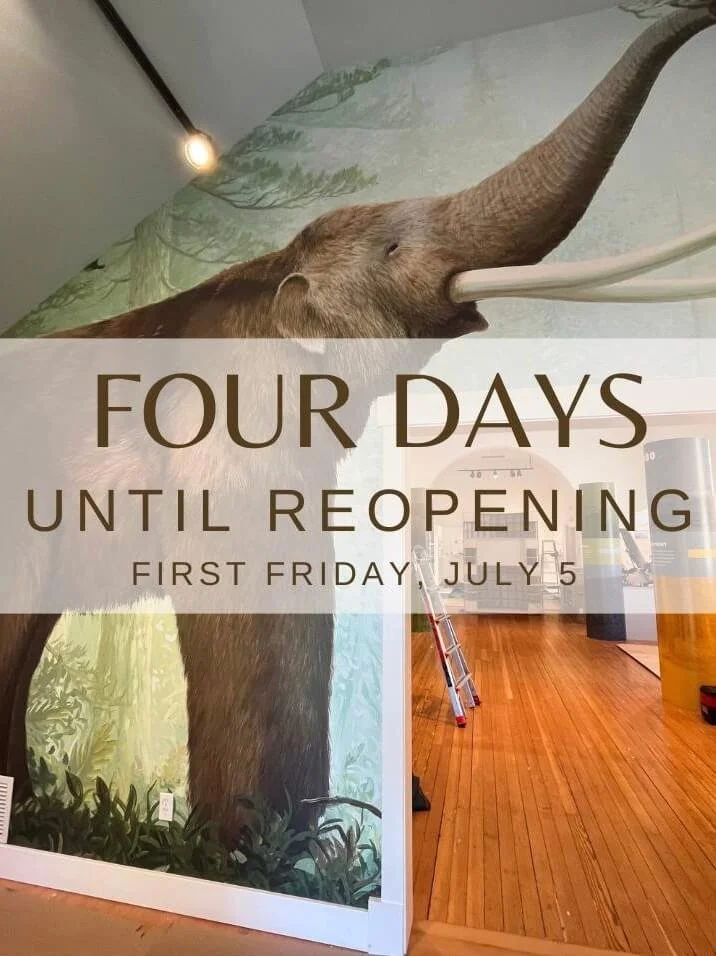
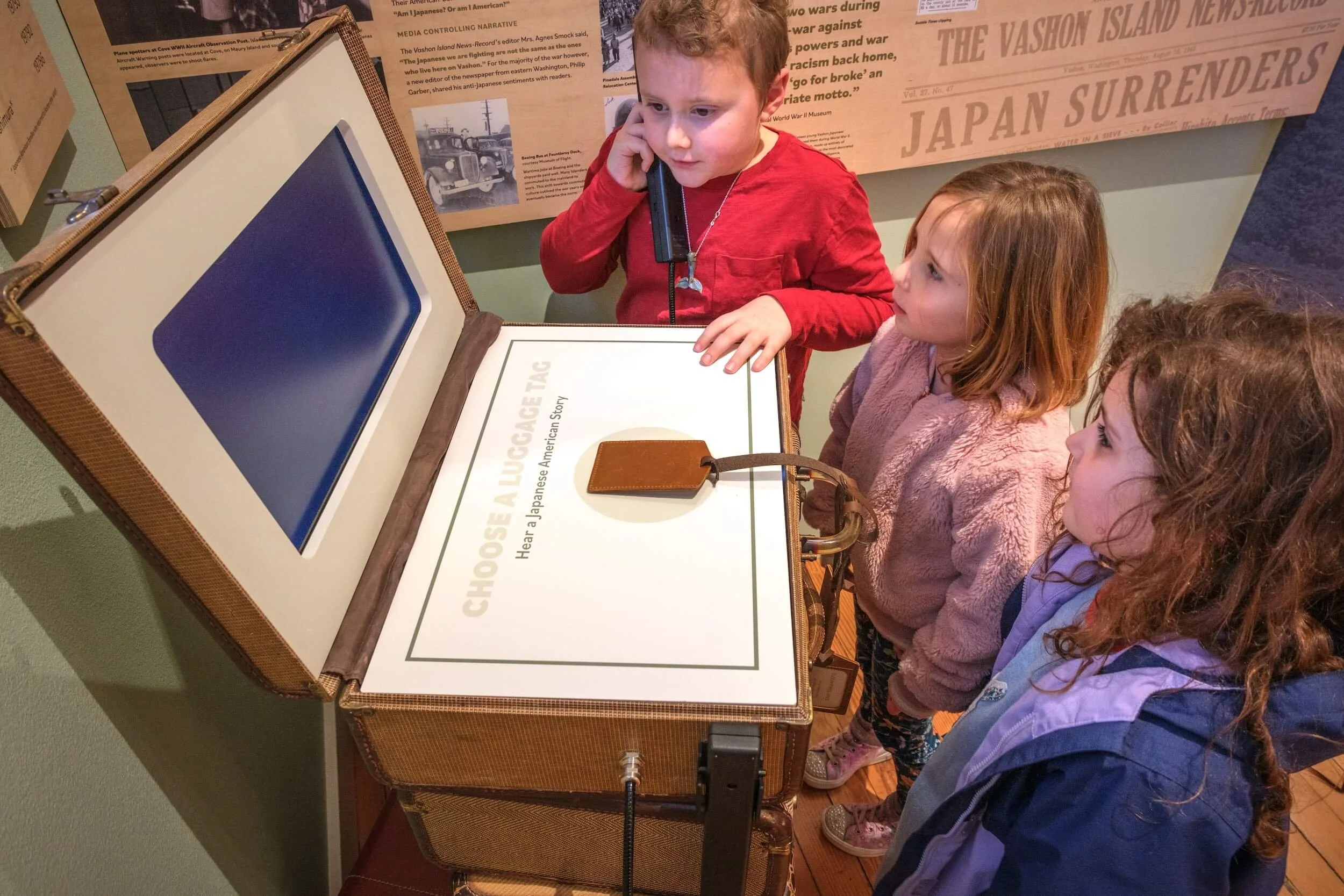
The new exhibit is a chronological exploration of Vashon-Maury Island’s multi-layered history, from its geological beginnings to the modern era. We look at the Indigenous culture that thrived on the island for millennia prior to the arrival of Europeans, the first contact between the two cultures, the rise of the Big Four industries (mining, logging, shipbuilding, and agriculture), the transformative impact of World War II, and finally the post-war era and the gentrification and activism that define Island life today. Throughout, are a number of hands-on features for all ages.
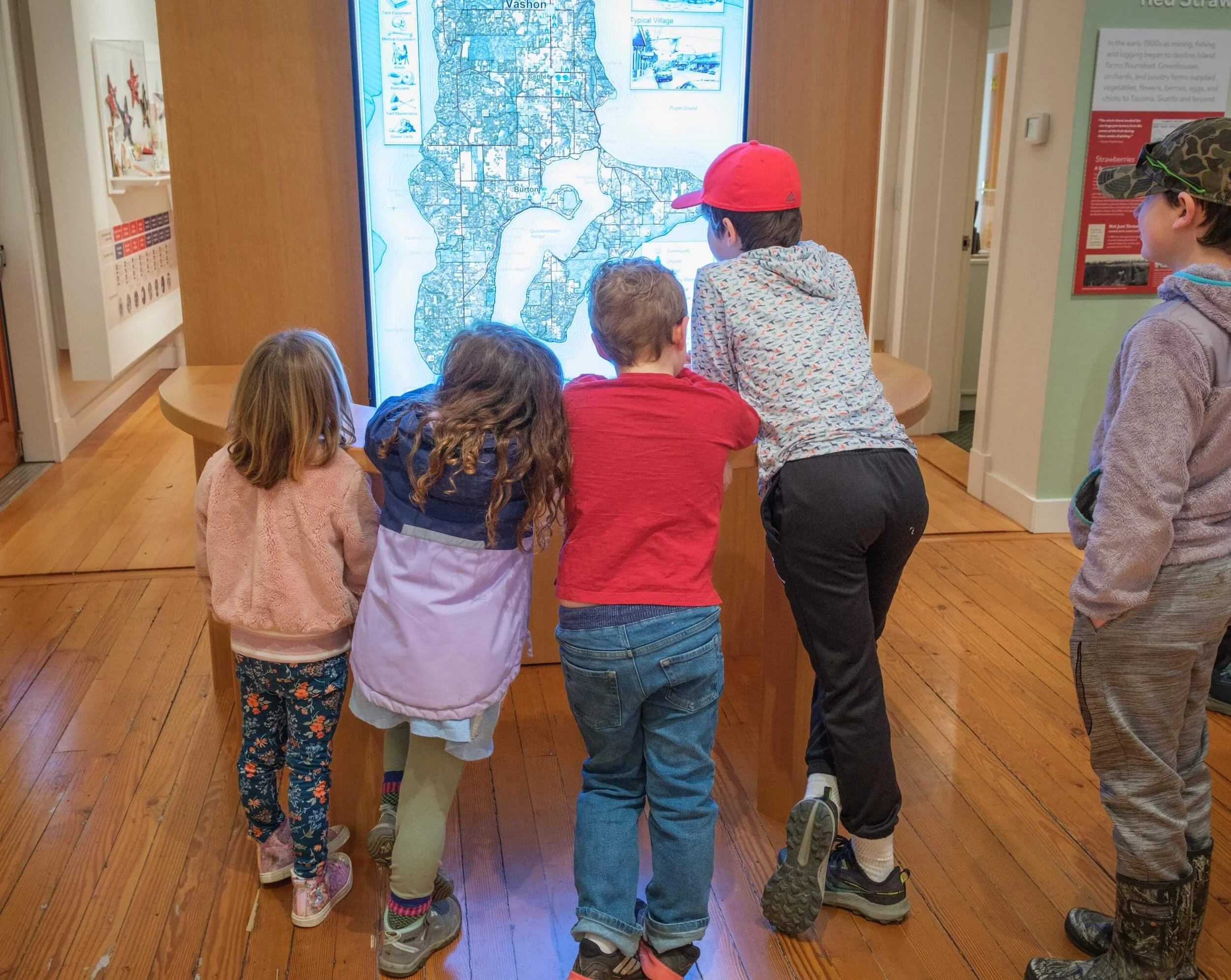
A central feature of the exhibit is a large interactive digital map display that provides a fascinating way of “clicking” through time. Five maps of Vashon-Maury Island, each representing a different time period, can be explored by using a mouse to select from among several hundred small icons, bringing up a text box and often a photograph depicting a particular point of interest—a Native longhouse, for example, or a store, a school, a dock, a church, etc. In addition, visitors can explore more than fifty historic maps of Vashon on this same big screen. These include plat maps, aerial maps, road maps, tourist maps, and a variety of natural history maps.

Separate from the main exhibit, but also on permanent display.
The Norman Edson Exhibit
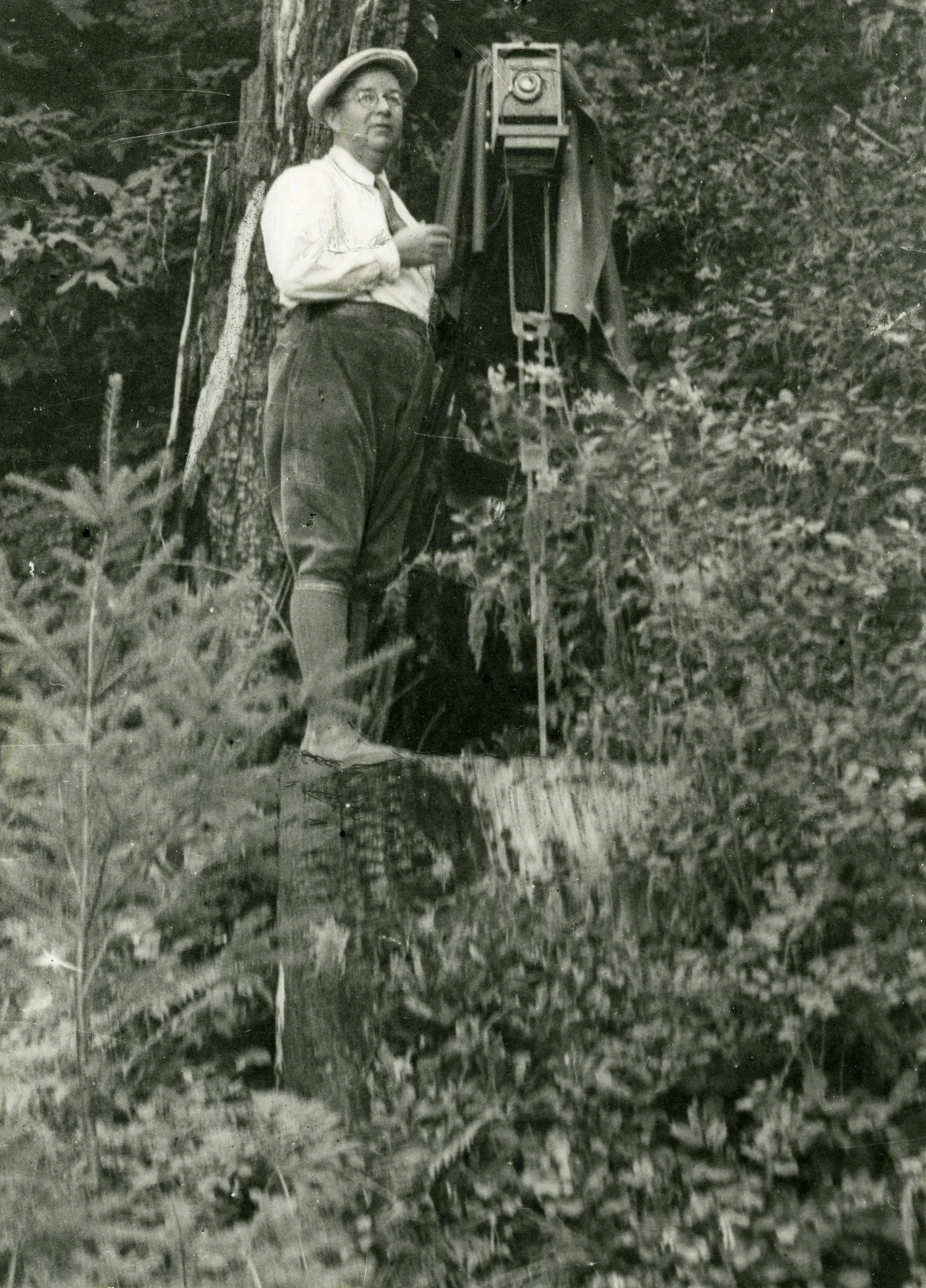
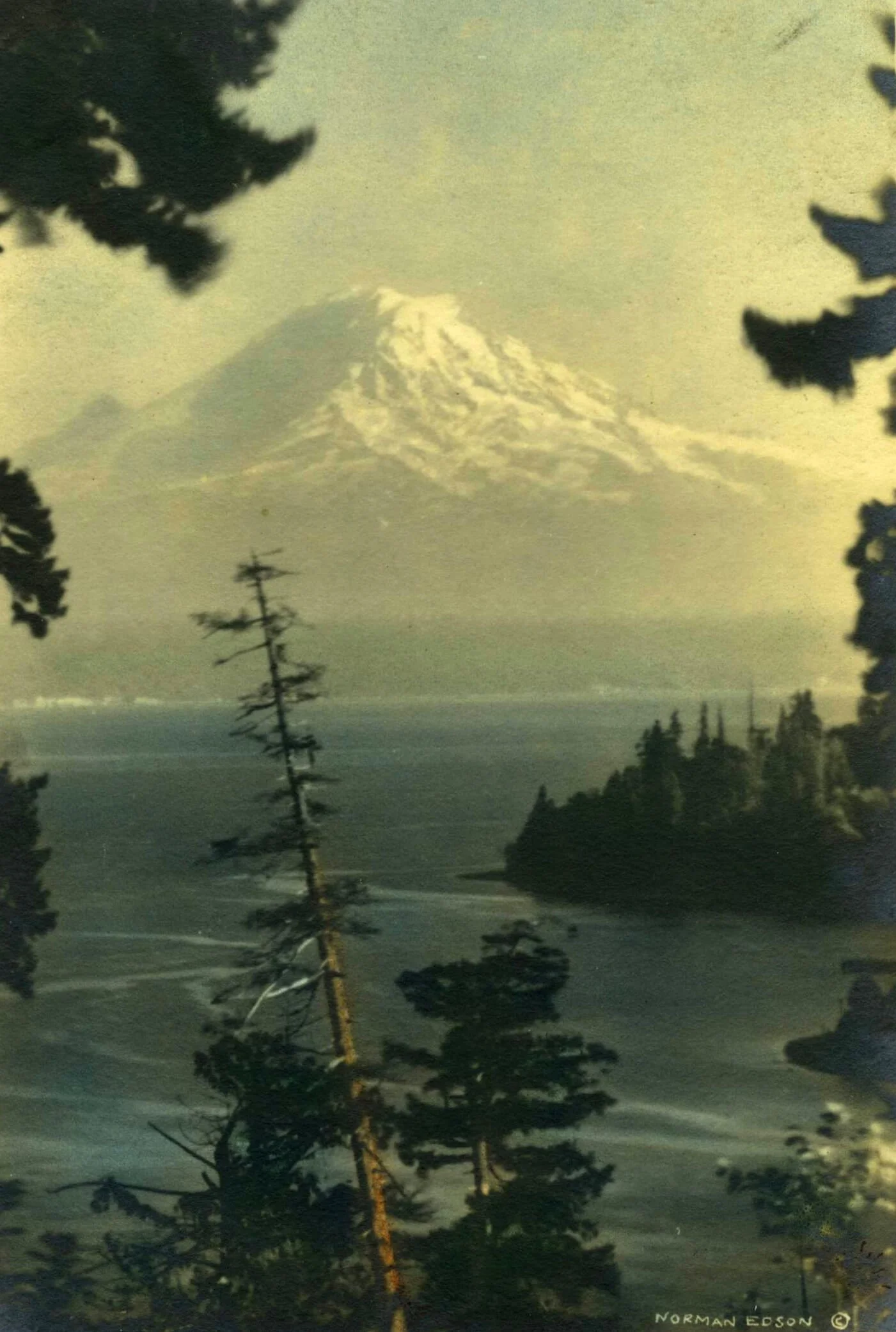
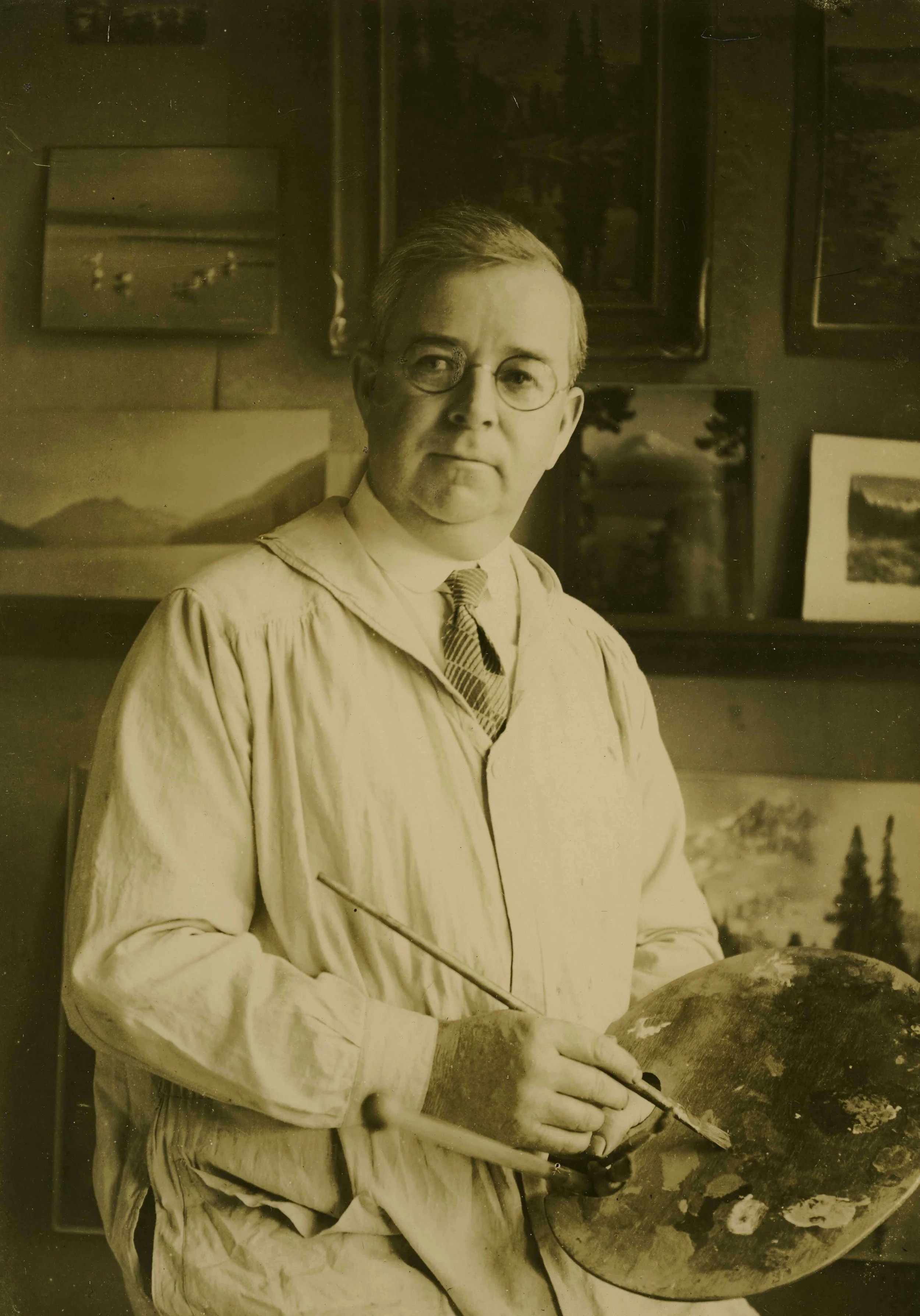
Separate from the main exhibit, but also on permanent display, is an important selection of work by artist Norman Edson, a painter and photographer who came to Vashon in 1920. He bought two houses in Burton right next door to each other, living in one, then later setting up the other as his studio and darkroom. Using his large format camera to photograph Island scenes, he is best-known for his beautiful hand-tinted landscapes, but he also recorded life on Vashon by photographing people going about their daily activities.